
Most women wear wigs for fashion, to protect natural hair, or to navigate medical hair loss. The first question you will inevitably ask is: Which wig hair type is best? A quick search online will give you conflicting advice. Some people prefer the natural look and feel of human hair wigs, while others love the easy “wash-and-go” convenience that synthetic wigs offer. In reality, there isn’t a single wig type that’s perfect for everyone. The best option really depends on your budget, lifestyle, climate, and why you want to wear a wig in the first place.
We are breaking down the science of wig fibers, the secrets of cap construction, and exactly what you need to know to make the best investment for your lifestyle.
The Different Wig Hair Types
To make an informed decision, you need to understand the basic differences in how wig fibers look, feel, and behave over time.
Human Hair Wig
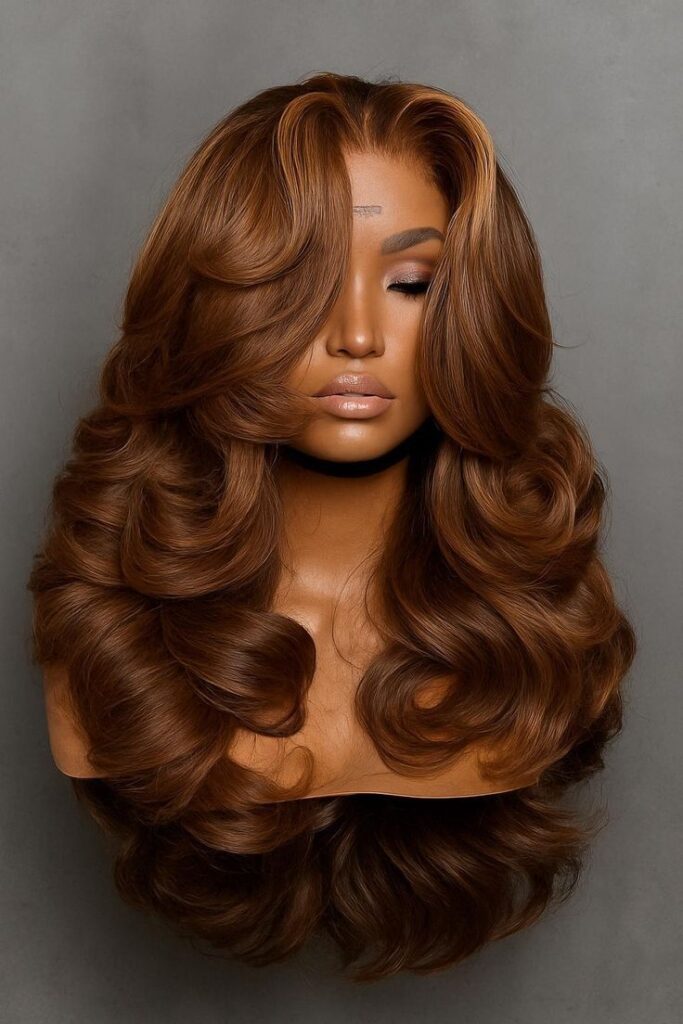
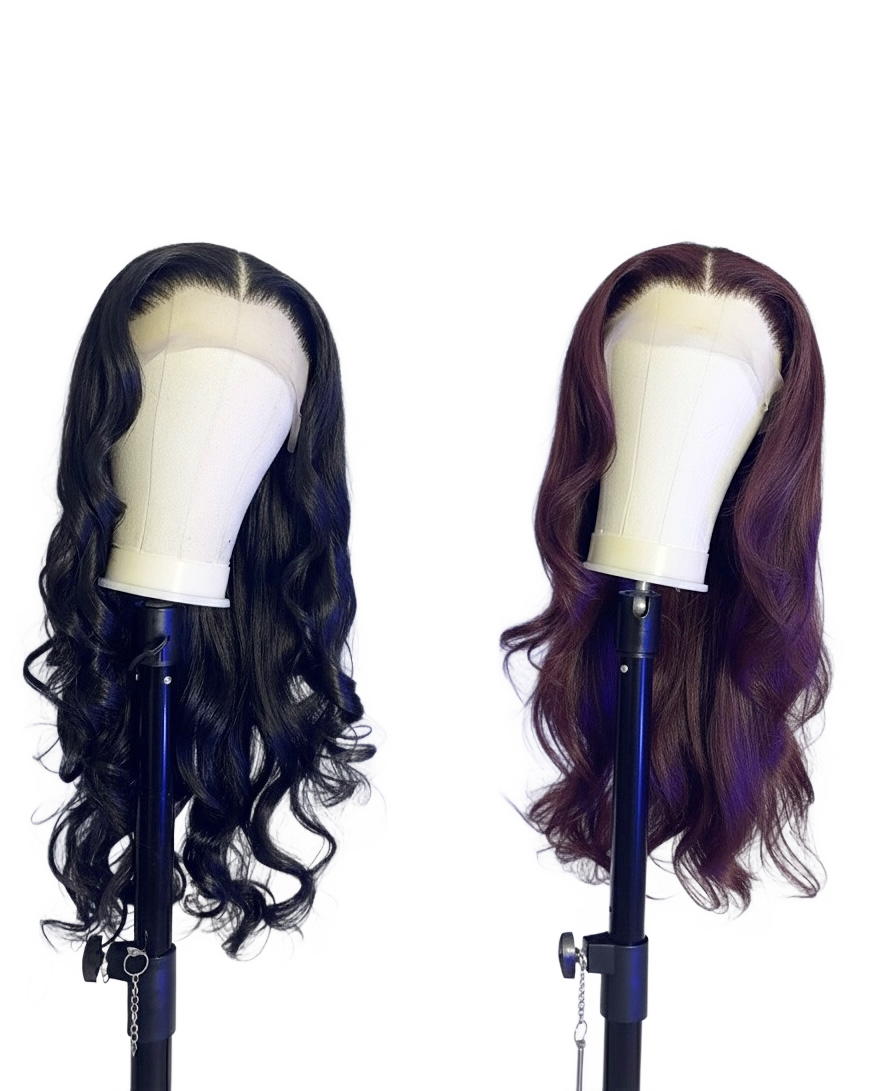
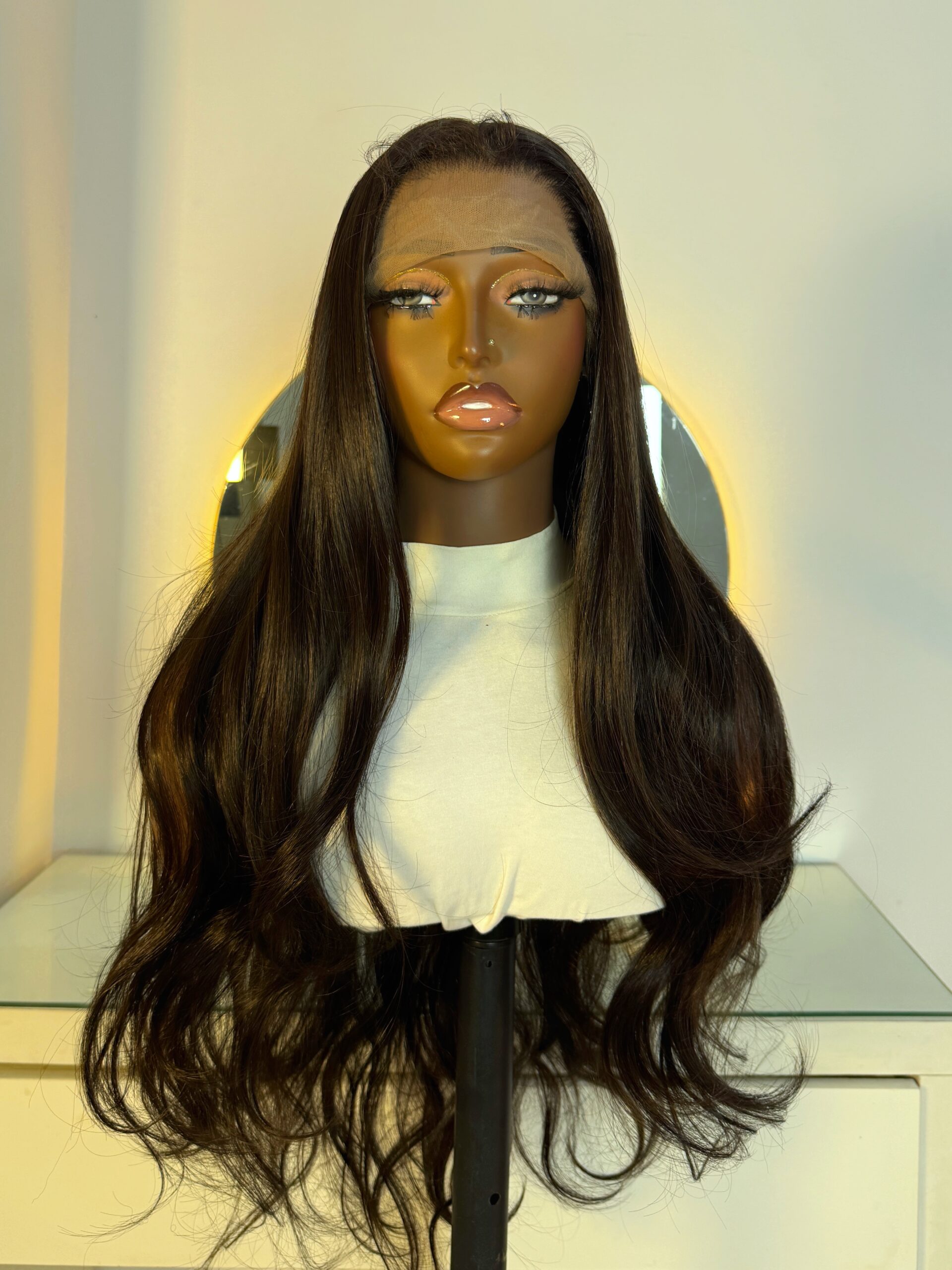
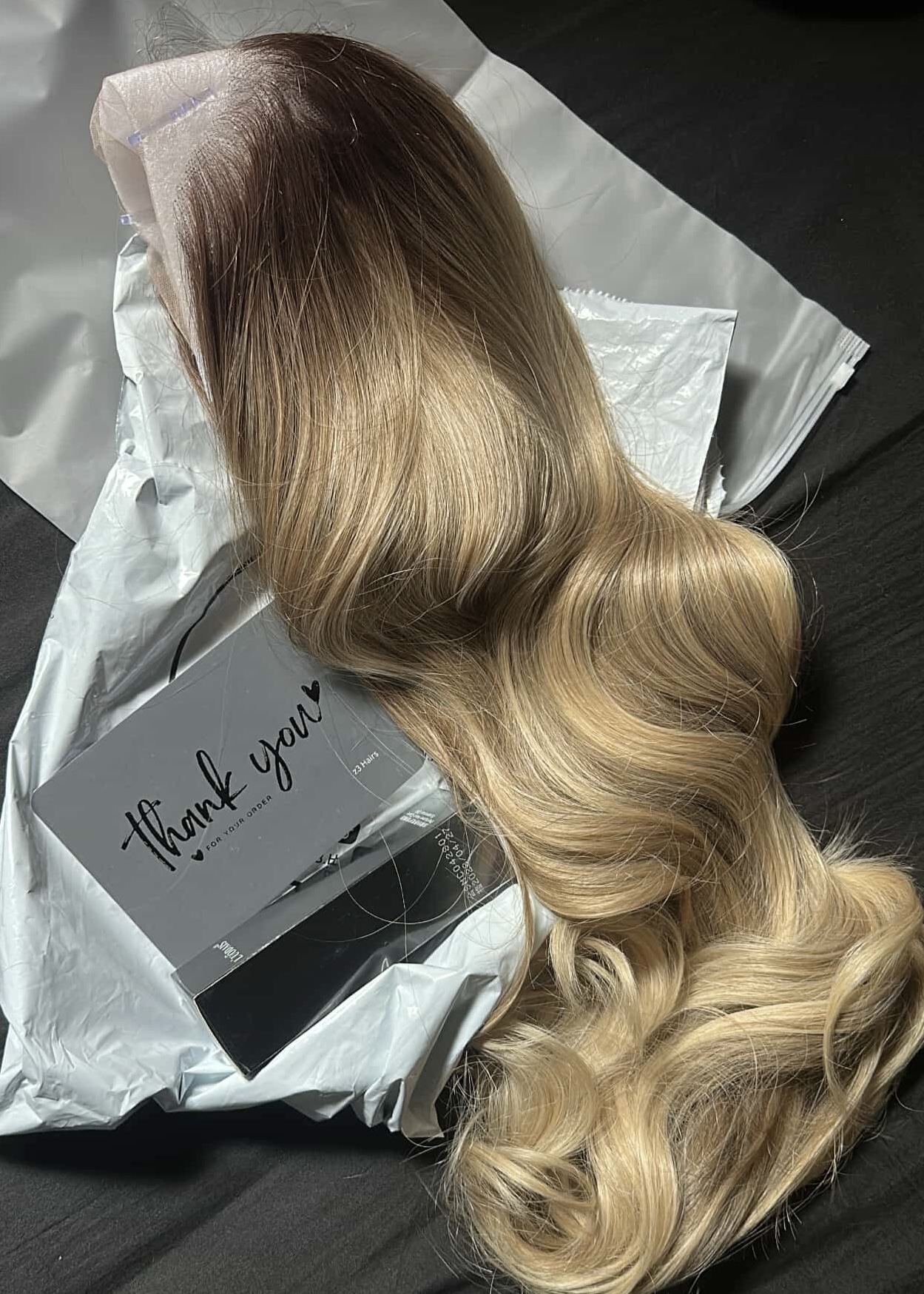
They are made from 100% real hair. They offer a natural look, are cool on the skin, and do not cause itching if kept clean. They are soft and movable. Human hair wigs have the smoothest natural movement, texture, and versatile stylings. Because they are made from biological hair, they can be treated exactly like hair growing from your own scalp. You can bleach it, dye it, curl it with high heat, and blow it out.
- The Pros: looks like a proper human hair, complete styling freedom, and incredible longevity.
- The Cons: High upfront cost, reacts to weather (hello, humidity frizz!), and requires significant daily maintenance and styling.
- Lifespan: With proper care, specialized shampoos, and safe storage, human hair wigs can last up to a year or longer.
The Verdict: Human hair is ideal for experienced wig wearers who want a long-term investment and do not mind taking the time to style their hair every morning.
Synthetic Hair Wig Fibers: Wash-and-Go Convenience
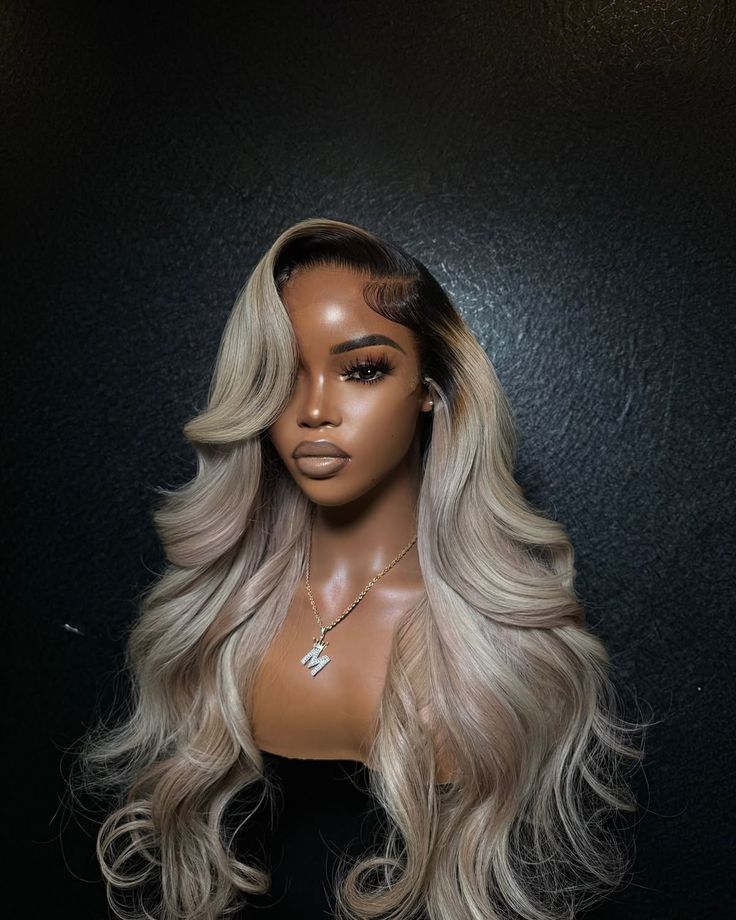
Traditional synthetic wigs are created from fine plastic fibers designed to mimic the look of human hair. Their biggest selling point is “style memory.” If you buy a curly synthetic wig, you can wash it, hang it up to dry, and the curls will bounce right back perfectly without you ever touching a curling iron.
- The Pros: Highly affordable, incredibly low maintenance, completely immune to humidity, and ready to wear right out of the box.
- The Cons: Cannot be heat-styled, prone to tangling at the nape of the neck (friction frizz), and sometimes carries an unnatural, plastic-like shine.
- Lifespan: With proper care, it can last more than a year with regular wear.
The Verdict: Synthetic wigs are universally recommended as the best starting point for absolute beginners who want maximum style with minimum effort.
Heat-Friendly Synthetic Wig: The Middle Ground
Heat-friendly (or heat-defiant) synthetic wigs are engineered to withstand low-to-medium heat tools (usually up to 275°F – 300°F).
As one veteran wig wearer in the r/Wigs Reddit community noted, “I prefer heat friendly synthetic because it has less shine […] and while it does tangle more, it’s easy to refresh with heat.” Because these fibers are more textured to withstand heat, they look slightly more realistic than traditional synthetics, but they do require regular flat-ironing to smooth out the inevitable friction frizz that builds up over time.
Beyond Fiber: Why Cap Construction Matters

Many buyers spend weeks agonizing over human versus synthetic hair, only to buy a wig with a cap construction that feels uncomfortable or looks unnatural. The cap is the foundation of the wig, and it dictates how realistic the hairline and parting will be.
- HD Lace Fronts: If you want hair pulled away from your face, a lace front is non-negotiable. The hairs are individually hand-tied to a sheer lace material at the front, creating the illusion of a seamless, natural hairline that melts into your skin.
- Monofilament Tops: A monofilament (mono) cap features a soft, breathable mesh where hairs are individually tied. This mimics natural scalp growth and allows you to part the hair anywhere you like.
- Basic Wefted Caps: The most affordable option. Hair is sewn into strips (wefts). While durable and airy, they do not offer a realistic scalp appearance if the wind blows.
Understanding Wig Sizing: The Secret to a Perfect Fit
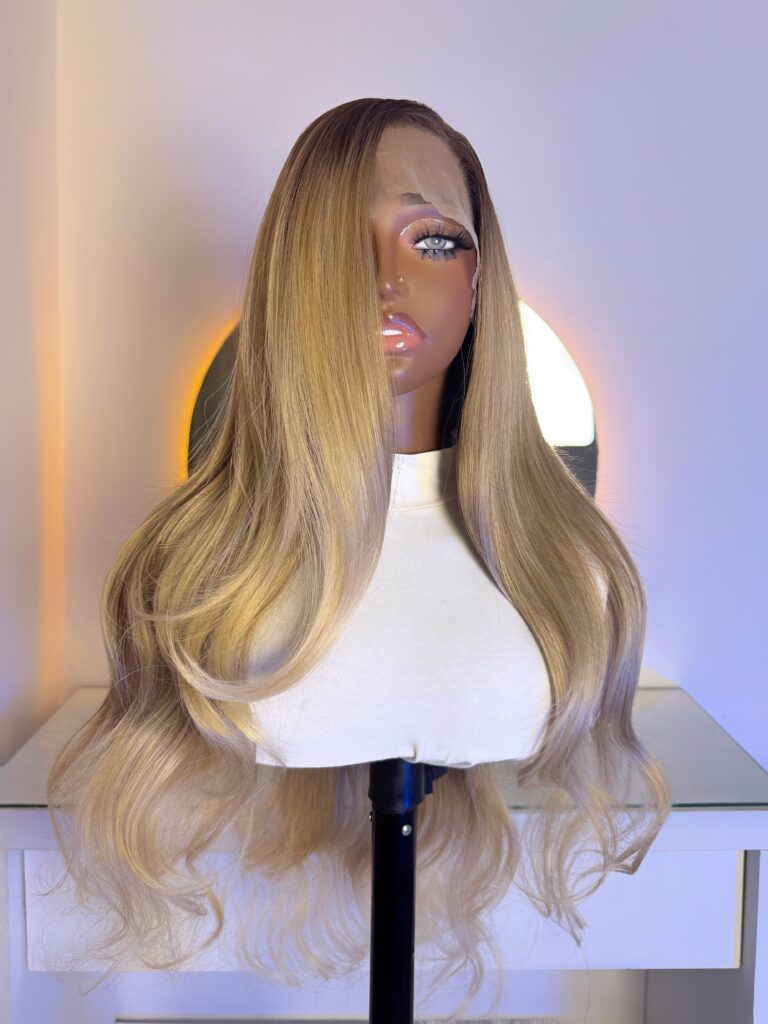
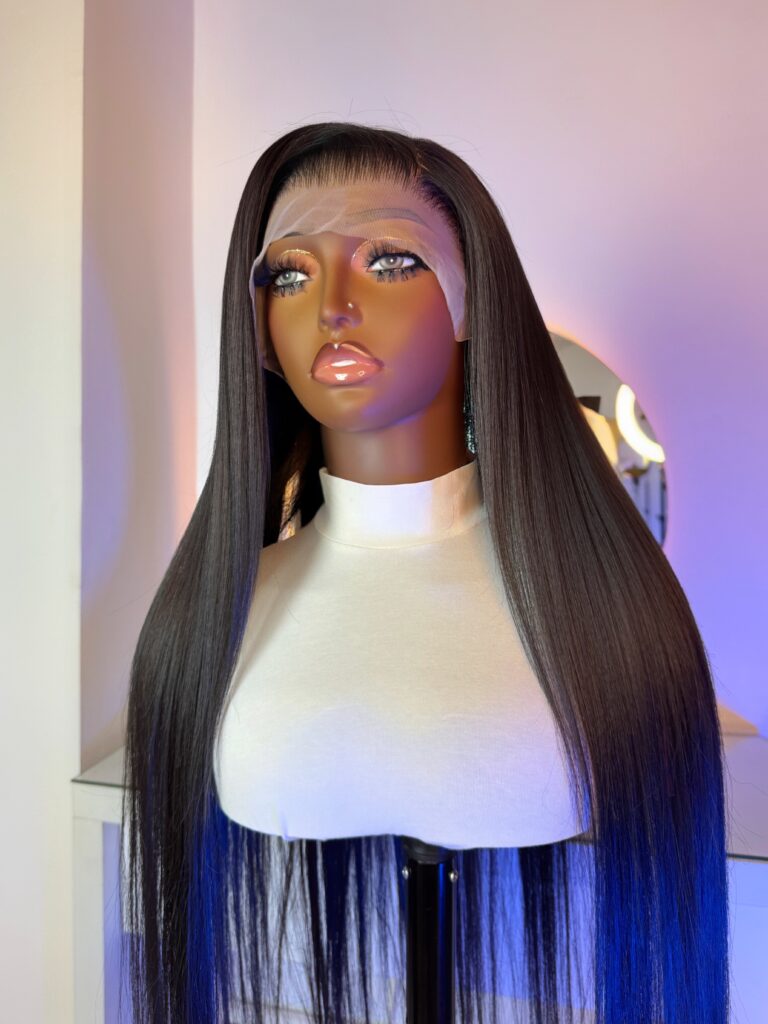
When shopping online, understanding dimensions is critical to avoid the hassle of returns. It is crucial to remember that in the wig industry, length is the same as height. This means the stated inch measurement indicates the vertical drop from the crown down the wearer’s back or shoulders.
Because of this, a 20-inch wig will fall entirely differently on someone who is 5’2″ versus someone who is 5’10”. When choosing a style, always consider your own height and torso length to accurately predict where the hair will rest on your body.
The Medical Need: Wigs for Alopecia and Chemotherapy
It is vital to recognize that for many, wigs are not a cosmetic accessory but an essential medical necessity. For patients experiencing severe alopecia or chemotherapy-induced hair loss, high-quality wigs serve to restore psychosocial well-being and a sense of normalcy.
The medical community is increasingly viewing these units as critical care items. In a recent clinical analysis on insurance coverage, Ogechi Ezemma, BA, of the Lahey Hospital Department of Dermatology, noted: “Wigs, or cranial prostheses (CP), help minimize the stigmatization of hair loss and improves patients’ confidence and quality of life. However, the most common limitation to obtaining a wig is cost.”
Pro-Tip for Medical Hair Loss: If you are losing your hair due to a medical condition, do not just buy a wig out of pocket. Ask your doctor or oncologist to prescribe a “Cranial Prosthesis.” Using this exact medical terminology allows you to submit the receipt to your health insurance provider, as many plans offer partial or full reimbursement for medical hair loss.
The “Hybrid” Strategy: Getting the Best of Both Worlds
If you are struggling to decide, consider adopting the “Hybrid Strategy” favored by seasoned wig wearers. Instead of relying on one expensive unit, build a two-wig system:
- The Daily Driver: Purchase a high-quality, heat-friendly synthetic wig for running errands, working out, or rainy days. It is cheap to replace and requires zero styling effort.
- The Investment Piece: Purchase a premium human hair wig for special events, professional settings, or days when you want to execute a specific, heat-styled look.
By owning collections of wig hair types, you drastically reduce the wear and tear of your wigs, extending their lifespan well beyond a year and giving you the ultimate return on your investment.
[…] If you want a wig that lasts and gives you styling freedom, invest in human hair. For a detailed material comparison, Z3 Hairs breaks down when each option makes […]
[…] haul, human hair is the upgrade that pays for itself. For a deeper breakdown of the two, check out our guide on human hair vs synthetic wigs before you […]
[…] wigs: see our simple breakdown of the difference if you’re not sure which sells better for your […]