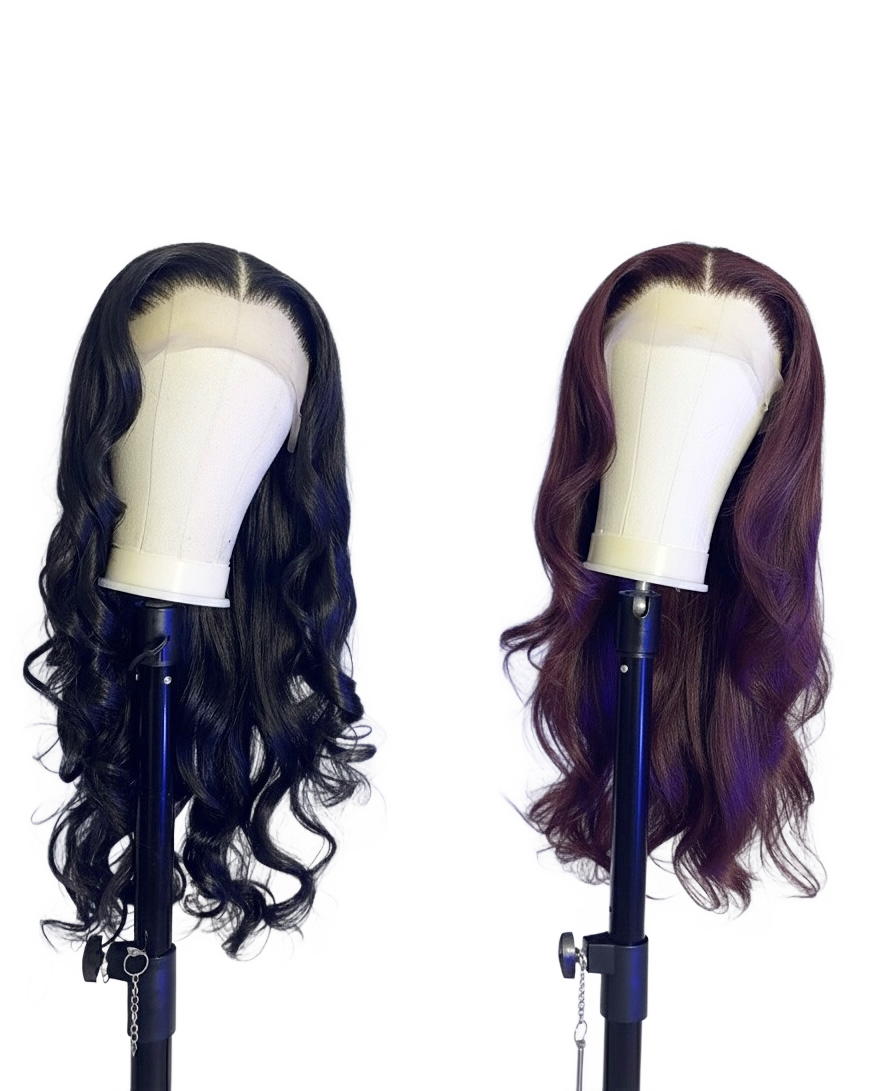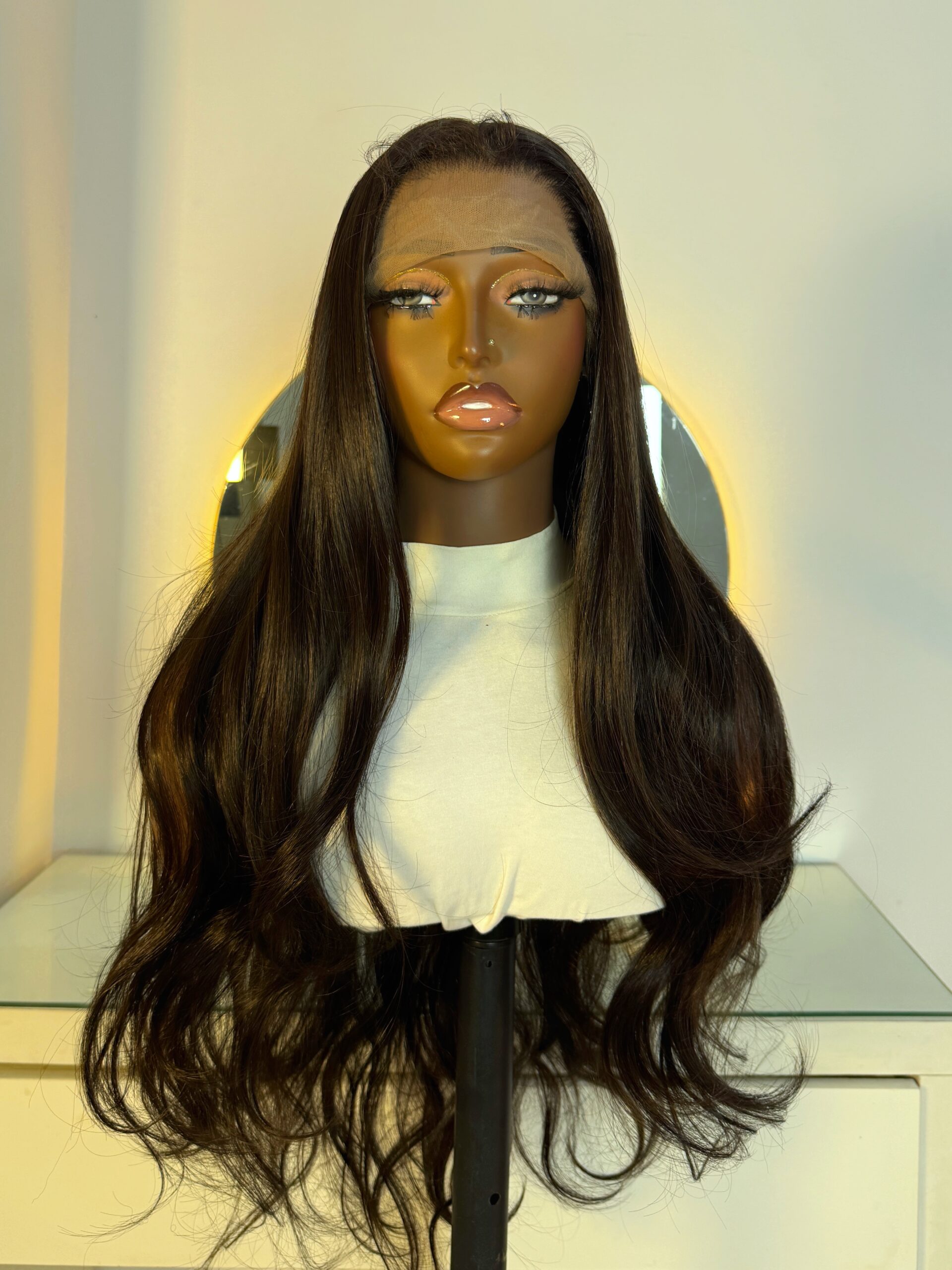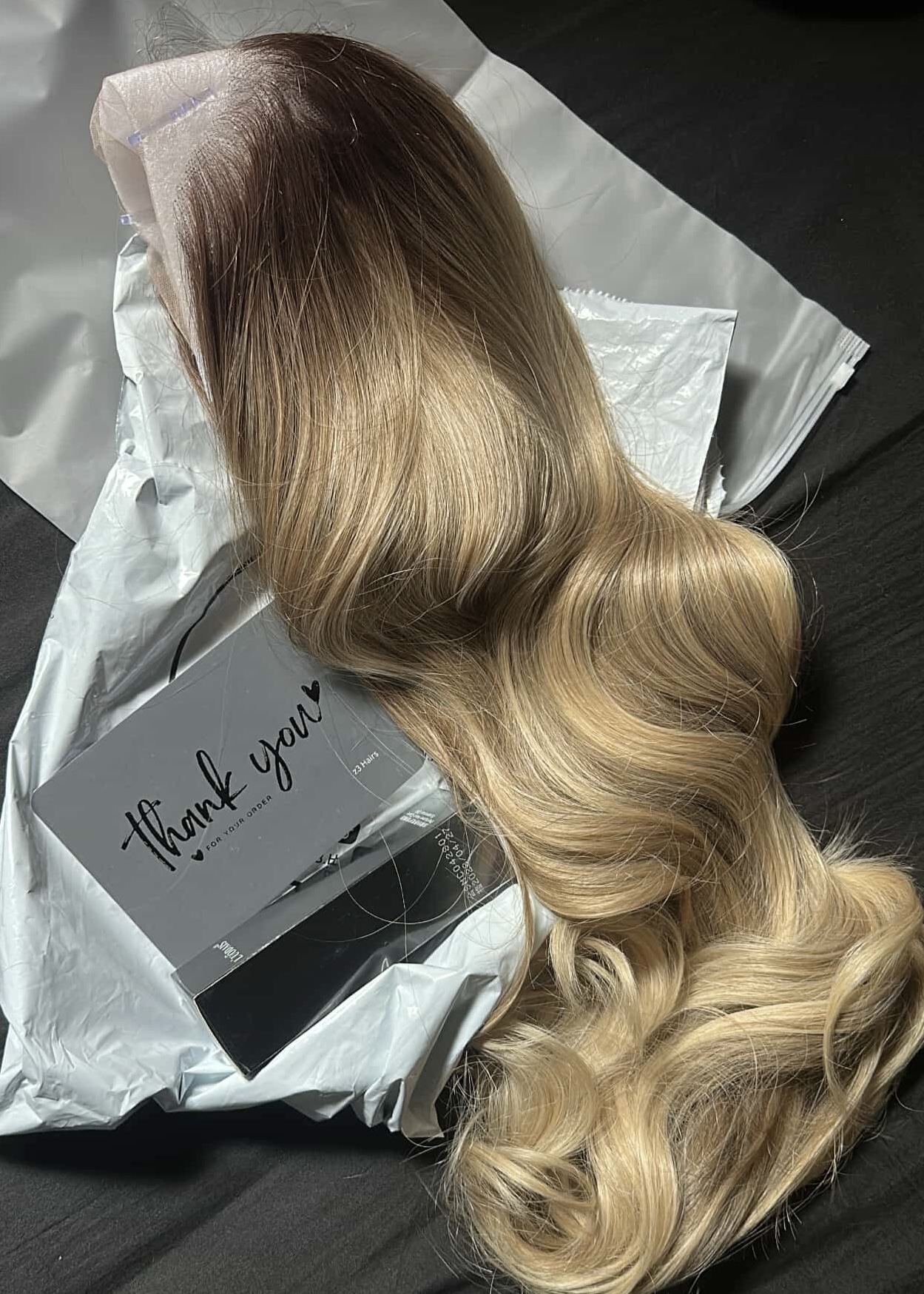
Your wig is basically your first introduction before you even say hi. People clock the hairline, the parting, the way it sits against your skin. All before you speak. That’s just how it works.
And if your lace is lifting? If the parting looks too perfect? If the unit is sitting on your head instead of blending into your hairline? They’ve already decided.
Right now, the standard has shifted. In 2026, wigs are about alignment. Alignment with lifestyle, confidence, and a more intentional approach to beauty. Frontal wigs sit right in the middle of this shift. They deliver the one thing other wigs can’t: a hairline that looks like yours. And the glueless movement? That’s not a trend. That’s the new baseline.
This guide breaks down what frontal wigs actually are, why they’ve become the standard in 2026, the glueless revolution happening right now, and how to choose one that looks expensive without the expensive-feeling price tag.
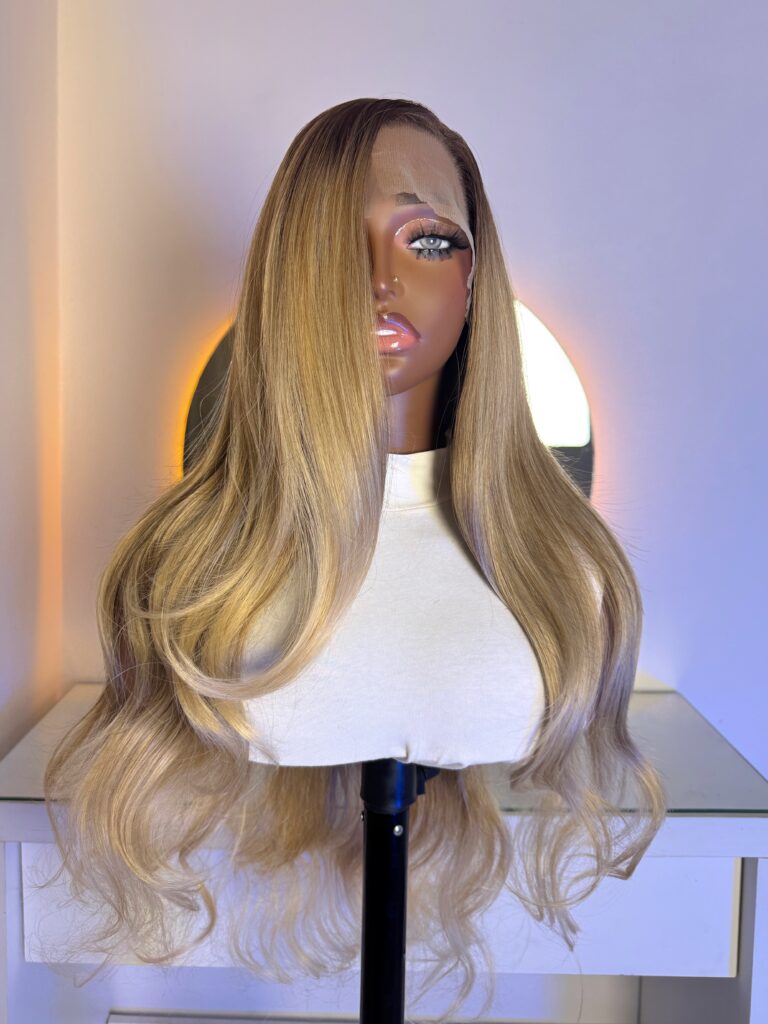
What Are Frontal Wigs? (And Why They’re Not Just “Regular Wigs”)
The Lace Front Advantage: Ear-to-Ear Coverage That Actually Matters
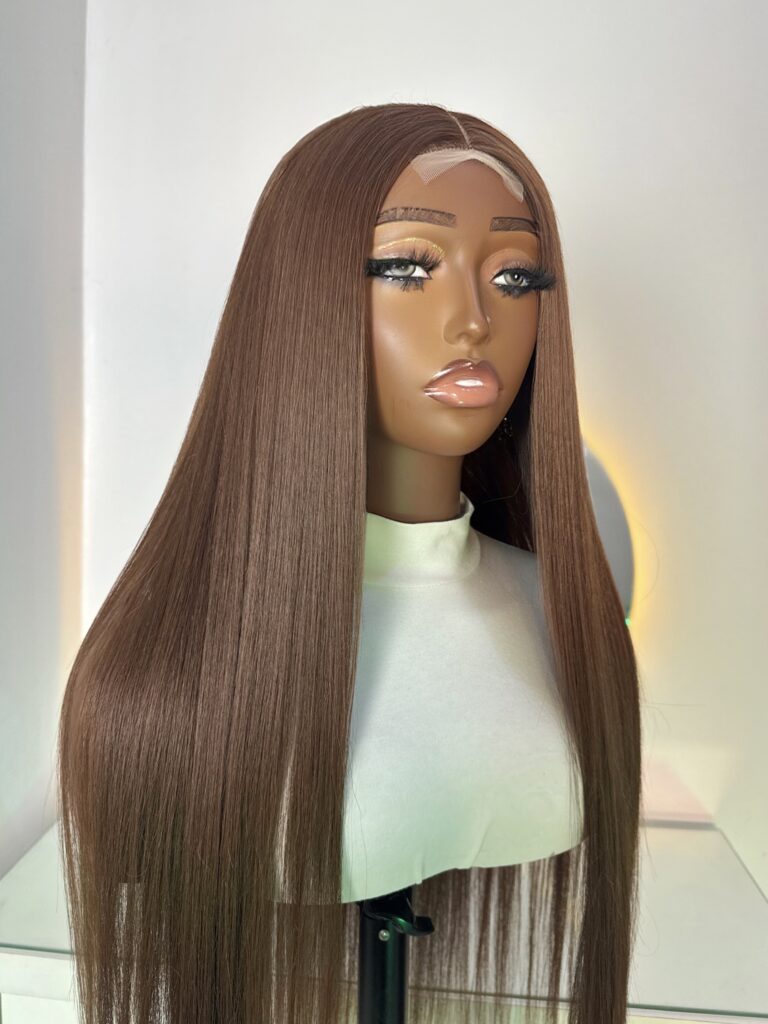
A frontal wig has lace material that runs from ear to ear across your entire hairline. That’s the distinction. Not a small patch at the crown. Not a strip down the middle. The whole front.
The most common sizes are 13×4 and 13×6. The first number (13 inches) is the width across your hairline. The second number is how far back the lace goes. A 13×4 gives you four inches of parting space. A 13×6 gives you six. More parting space means more styling freedom: middle parts, deep side parts, pulled-back looks. All with one unit.
The lace creates the illusion that hair is growing directly from your scalp. When it’s done right, people don’t see a wig. They see a hairline. That’s the shift.
Frontal vs Closure Wigs: The Real Difference
Here’s the breakdown that actually matters: frontals cover your entire hairline from ear to ear. Closures cover a small section at the crown, usually 4×4 or 5×5 inches.
Frontals equal styling versatility. You can part the hair anywhere along the front. You can pull it back into a ponytail, tuck it behind your ear, do a half-up style. The lace gives you options.
Closures equal simplicity. The parting is usually fixed. If you like wearing your hair the same way every day (a sleek middle part, a consistent side part), a closure works. But if you want to switch it up? That’s where frontals win.
For more on the technical differences, check out Z3 Hairs’ full breakdown of frontal and closure types.
HD Lace, Transparent Lace, Swiss Lace: Which One Melts Best?
Lace technology has shifted. HD lace is ultra-thin and melts into any skin tone. It’s what you see on Instagram when the hairline looks invisible. Transparent lace works best for lighter complexions unless you tint it. Swiss lace is the most durable and breathable option, good for long-term wear.
The goal? Lace that disappears. If people can see where your wig starts, the whole effect falls apart. In Lagos, Abuja, Port Harcourt, anywhere people notice these things, your lace choice speaks before you do.

Why Frontal Wigs Are the Standard Right Now
The 2026 Shift: From Perfect to Natural
The era of helmet-like, perfectly coiffed wigs is over. Wigs that look too perfect look artificial. Right now, the focus is on movement, texture, and realism. Natural textures mimic real hair growth patterns, making wigs look undetectable and feel easier to maintain.
Frontal wigs fit this shift because they don’t try too hard. The lace creates a soft, gradual hairline. The pre-plucked baby hairs add irregularity. The result? Hair that looks like it belongs to you.
People aren’t asking for perfection anymore. They’re asking for believability. And frontal wigs deliver that without the guesswork.
Pre-Everything Wigs: The Ready-to-Wear Revolution
Here’s what’s changed: you don’t need to spend hours customizing your wig anymore. Pre-everything wigs come with pre-bleached knots, pre-plucked hairlines, and pre-cut lace. Open the box, adjust the straps, and you’re done.
This is why beginners are choosing frontals now. The installation barrier has dropped. You don’t need salon training or YouTube tutorials to get a clean install. The work has already been done. Just put it on and go.
Styling Freedom Without the Salon Commitment
Frontals let you experiment without commitment. Middle part on Monday. Side-swept on Wednesday. Slicked back for the weekend. Same wig, different energy.
And because the lace covers the entire front, you can pull your hair back without exposing the wig cap. That’s the kind of flexibility closures can’t offer. It’s also why frontals work as protective styling. You’re covering your natural hair while still getting the freedom to style however you want.
The Glueless Frontal Movement (And Why It’s Not Going Anywhere)
What Makes a Frontal Wig “Glueless”?
Glueless wigs don’t use adhesive to stay in place. Instead, they rely on elastic bands, adjustable straps, built-in combs, or drawstring caps. The wig sits against your head, secured by tension and grip. Not glue.
The mechanism is simple: elastic bands create a snug fit around your head. Adjustable straps let you tighten or loosen the cap. Combs clip into your natural hair for extra security. No tape. No gel. No melting spray. No waiting for anything to dry.

Why Are Glueless Frontals Trending in 2026?
Because who was still okay with the glue? The salon appointments. The stress of wondering if your edges would survive. The doing-too-much energy just to look put together.
That’s the old way. Glueless frontals are replacing it for three reasons:
Convenience. Put it on in minutes. Take it off whenever. No waiting for glue to dry or scraping adhesive off your skin at night. You wake up, put the wig on, adjust the straps, and you’re out the door.
Scalp health. Adhesives can irritate your skin, clog your pores, and cause breakage around your hairline. Glueless wigs eliminate that risk. Your scalp breathes. Your edges stay intact. You’re not choosing between looking good and protecting your natural hair.
Beginner-friendly installation. If you’ve never installed a wig before, glueless is the entry point. No learning curve. No mistakes that cost you time or money. Just strap it on and adjust until it feels right.
Do Glueless Frontals Actually Stay in Place?
Yes. If the cap fits correctly.
Drawstring caps let you adjust the tightness with a pull cord. Piano key elastic bands sit flat against your forehead and create a secure hold. Wig grips add an extra layer of stability if you’re moving around a lot: gym, dancing, long days outside.
The key is cap size. A wig that’s too big will shift. A wig that’s too small will feel tight and cause headaches. Measure your head, adjust the straps, and the wig stays put. No slipping. No lifting. No paranoia every time you turn your head.
How to Choose the Right Frontal Wig for Your Life
What Frontal Size Should I Get?
For everyday wear, 13×4 is enough. It gives you a natural hairline and enough parting space for most styles. If you want maximum flexibility (deep side parts, pulled-back looks, high ponytails), go with 13×6.
Cap size matters more than lace size. Most frontals come in average or medium, but if your head is smaller or larger, get a custom fit. A snug cap means the wig stays in place without slipping. A loose cap means you’ll be adjusting it all day.
Human Hair or Synthetic: Which Is Worth It?
Human hair lasts longer, moves more naturally, and can be heat-styled. You can flat iron it, curl it, dye it. It behaves like your own hair because it is real hair. Expect to pay more upfront, but you’ll get 1-2 years of wear with proper care.
Synthetic is cheaper and comes pre-styled, but it doesn’t hold up to heat unless it’s labeled heat-friendly. If you want a wig that lasts and gives you styling freedom, invest in human hair. For a detailed material comparison, Z3 Hairs breaks down when each option makes sense.
What Density Looks Natural?
150% density mimics natural hair. It’s the baseline for everyday realism. 180% adds volume without looking heavy. It’s a good middle ground if you want fullness but not drama. 220% is full and thick. Good for special occasions, but it can look wiggy if you’re going for everyday realism.
Match your wig density to your natural hair density. If your hair is fine, don’t go for 220%. You’ll look like you borrowed someone else’s scalp. If your hair is thick, 150% might look too sparse. The goal is to blend, not stand out.
Installing Your Frontal Wig Without the Stress
Glueless Installation: The 5-Minute Method
Here’s the installation walkthrough for elastic band wigs:
Prep your hair. Braid it down flat or slick it back into a low bun. Use a wig cap to keep everything smooth. The flatter your base, the better the wig sits.
Adjust the straps. Most glueless wigs have adjustable straps at the nape. Tighten or loosen until the cap feels snug but not tight. You should be able to fit two fingers between the strap and your head.
Place the wig on your head. Align the lace with your natural hairline. Make sure it’s centered. If it’s off-center, the whole look is off.
Secure with combs or elastic. If the wig has built-in combs, clip them into your hair at the temples and nape. If it has an elastic band, pull it down over your edges. The elastic should sit flat, not bunched.
Style and go. Trim any excess lace if needed. Lay your edges with a hot comb or edge control. Done. Five minutes, maybe ten if you’re perfecting the edges.
If You Do Want to Use Adhesive: How to Do It Safely
Lace glue gives the most secure hold but requires removal with a solvent. Gel-based adhesives are gentler and easier to remove. Wig tape sits between the two: strong hold, less mess.
The key: apply adhesive sparingly. A thin layer is enough. Too much creates buildup and makes removal harder. And always use a barrier spray or oil on your hairline before applying glue to protect your skin. Don’t glue directly onto your natural hair. That’s how you lose edges.

Common Installation Mistakes (And How to Avoid Them)
Cutting the lace too close. Leave a millimeter of lace along your hairline. If you cut too close, the lace frays and the wig looks obvious. Use small scissors or a razor, and cut in a zigzag motion, not straight across.
Skipping the wig cap. A wig cap creates a smooth base. Without it, your natural hair can poke through and ruin the illusion. Even if you have short hair, use a cap.
Over-plucking the hairline. Pluck gradually. Check your progress in the mirror every few strokes. If you take out too much hair, you can’t put it back. Better to under-pluck and add more later than to over-pluck and end up with bald spots.
Keeping Your Frontal Looking Fresh
How Often Should I Wash My Frontal Wig?
Every 1-2 weeks if you wear it regularly. Use sulfate-free shampoo to avoid stripping the hair. Sulfates dry out the cuticle and make the hair brittle. Air-dry instead of using heat. Heat breaks down the hair cuticle and shortens the wig’s lifespan.
For a complete wig care guide, Z3 Hairs walks through washing, conditioning, and storage tips that keep your frontal looking like new for months, not weeks.
Can I Style a Frontal Wig with Heat?
If it’s human hair, yes. Use a heat protectant and keep the temperature below 350°F. Higher than that and you risk frying the cuticle. If it’s synthetic, only if it’s labeled heat-friendly. Standard synthetic fiber melts under heat.
A hot comb works for laying edges and smoothing the hairline. A flat iron or curling wand works for restyling the length. Just don’t overdo it. Too much heat dries out the hair and makes it look dull.
How Long Does a Frontal Wig Last?
Up to two years with proper care. That means washing it regularly, storing it on a wig stand, and avoiding excessive heat or product buildup. The lace might start fraying after 12-18 months, depending on how often you wear it and how you handle it.
When the lace starts fraying or the hair loses its texture, it’s time to replace. But a well-maintained frontal wig holds up longer than most people expect. Treat it like your natural hair, and it’ll last.
Scalp Health and Frontal Wigs: What You Need to Know
Can Wearing Frontals Cause Hair Loss?
Not the wig itself. The medical perspective is clear: traction alopecia happens when there’s constant pulling on your hairline. Tight installations, heavy adhesives, and wigs that don’t fit properly cause that tension.
Glueless wigs reduce the risk because there’s no adhesive pulling on your skin. Adjustable straps distribute weight evenly. And because you can take the wig off easily, your scalp gets regular breaks. That’s the difference.
Giving Your Scalp (and Edges) a Break
Even with glueless wigs, your scalp needs rest. Take the wig off at night. Moisturize your scalp. Massage your hairline to stimulate blood flow. This isn’t optional. This is how you keep your natural hair healthy underneath.
If you wear wigs every day, give yourself a wig-free day each week. Let your scalp breathe. Let your edges recover. This is how you maintain long-term scalp health without sacrificing style.
When Glueless Is the Healthier Choice
If you have sensitive skin, glueless is the move. Adhesives can cause irritation, redness, and breakouts. If you’re dealing with hair loss or thinning edges, glueless wigs protect what you have left. They don’t pull. They don’t strain. They just sit.
Breathable cap materials (mesh, lace, cotton) help air circulate. Your scalp doesn’t overheat. Your hair doesn’t suffocate. And you don’t have to choose between looking good and protecting your natural hair. That’s the shift.
What Most Frontal Wig Guides Won’t Tell You
The Baby Hair Trap: Why Less Is More
Here’s what happens: you get your frontal, you see the baby hairs, and you think more is better. So you pluck more. And more. And suddenly your hairline looks like a toddler drew it.
Real baby hairs are sparse. They’re wispy. They don’t cover your entire hairline in a thick border. When you’re customizing your frontal, pluck conservatively. Your goal is irregularity, not density. A few strategically placed baby hairs look natural. A full fringe of them looks like a wig.
The Density Mistake That Makes Frontals Look Obvious
People think high density equals quality. So they buy 220% density frontals and wonder why everyone can tell it’s a wig. Because it is. Because real hair doesn’t grow that thick at the hairline.
Your natural hair is thinner at the edges and denser at the crown. That’s how it grows. When your frontal is uniformly dense from front to back, it looks manufactured. If you’re buying a frontal for everyday wear, stick to 150% or 180%. Save the 220% for events where drama is the point.
The Parting Space Illusion
A 13×6 frontal gives you more parting space than a 13×4. That’s true. But here’s what they don’t tell you: most people only use about three inches of that space. The extra depth is useful if you want to pull your hair straight back into a high ponytail. If you’re not doing that? You’re paying extra for lace you won’t use.
Think about how you actually wear your hair. If you stick to middle parts and side parts, a 13×4 is enough. If you switch between slicked-back looks and deep parts, the 13×6 is worth it. Don’t buy extra just because it sounds better.
Why Your Frontal Looks Different in Natural Light
You install your wig indoors. You check it in the mirror. It looks perfect. Then you step outside and the lace suddenly looks visible.
This is the lighting test most people skip. Indoor lighting is forgiving. Natural light is not. Before you leave the house with a new frontal, stand by a window. Check the lace in daylight. If you can see it against your skin, other people can too. Tint it, powder it, or switch to a different lace type. Don’t assume indoor perfection translates outside.
The Shift Is Here
Frontal wigs dominate because they deliver the one thing other wigs can’t: a hairline that looks like yours. And in 2026, the glueless shift means you don’t have to choose between natural-looking and easy-to-wear.
The glue. The salon appointments. The stress. That’s the old way. The new standard? Wigs that sit right, blend right, and feel right. Without the adhesive, the anxiety, or the guesswork.
As one long-time customer put it: Z3’s frontals deliver that expensive-looking finish without the expensive-feeling price tag. The kind of quality-meets-accessibility sweet spot that makes you wonder why you’d hesitate.
Whether you’re after that sleek middle part energy or the versatility to switch your look daily, browse Z3 Hairs’ frontal wig collection. No glue. No stress. Just hair that looks like it belongs to you.